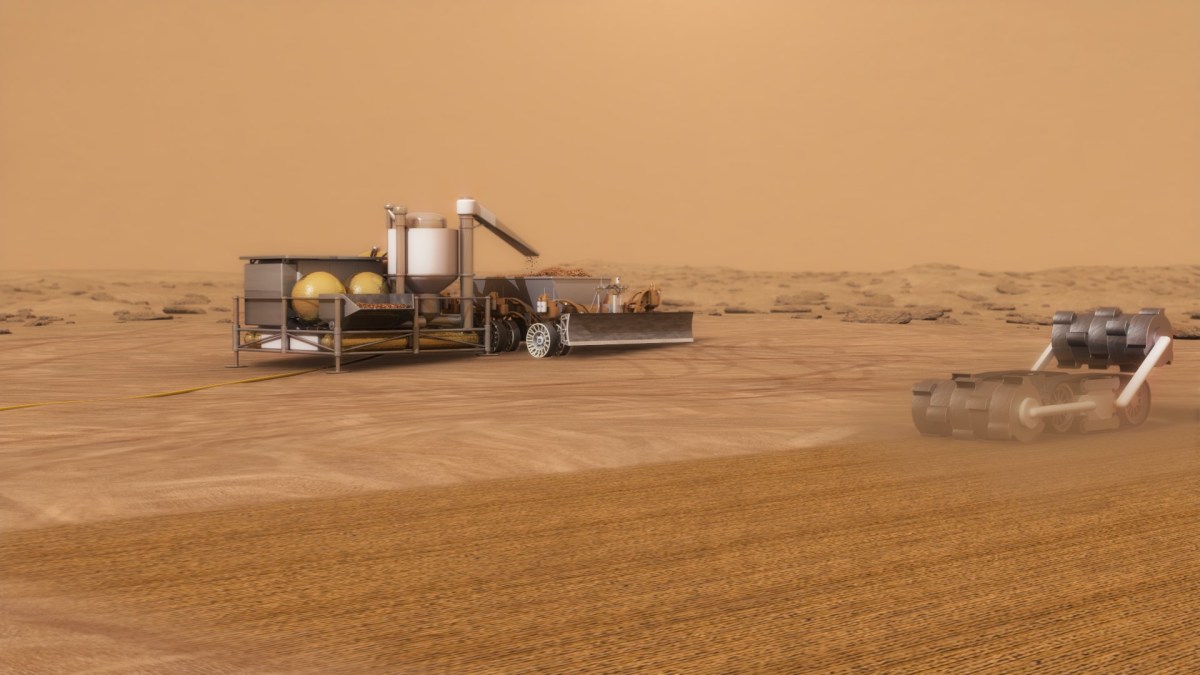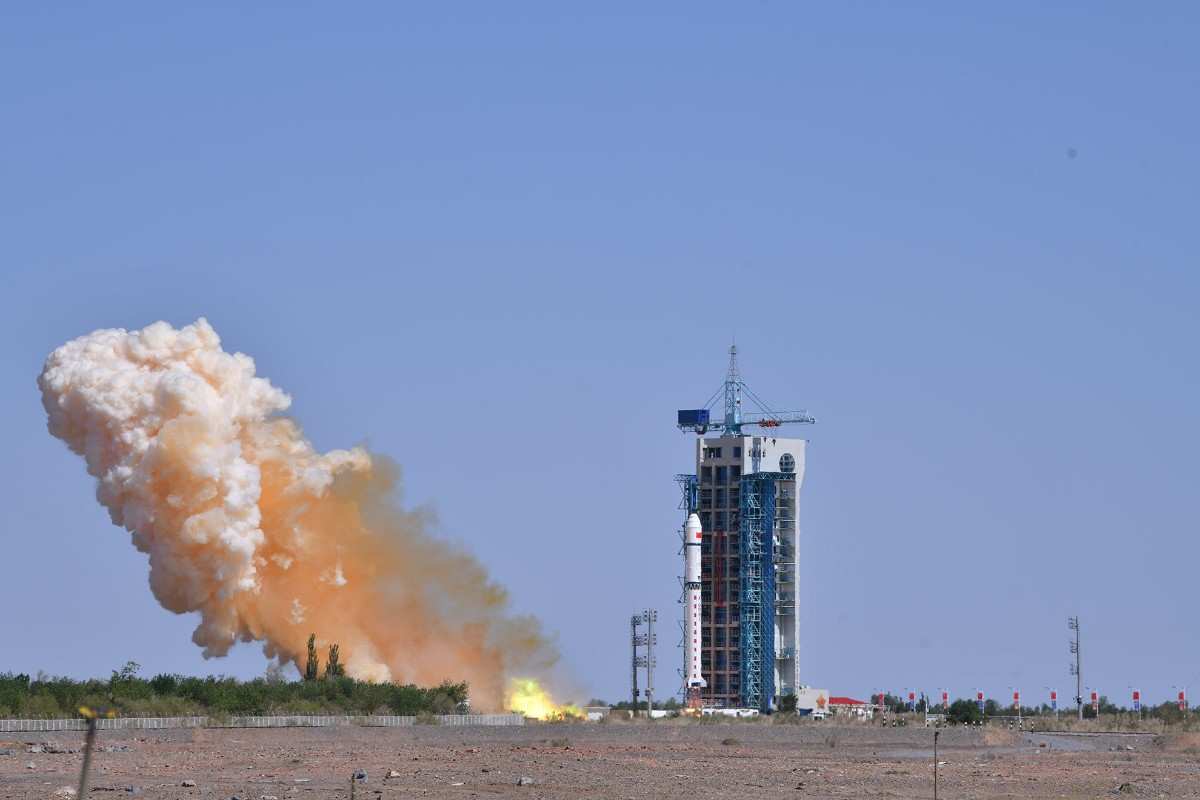
ESA Vigil Space Weather Mission: Ushering in a New Era of Solar Storm And Cosmic Forecasting To Save Us

The ESA Vigil space weather mission will revolutionize solar storm forecasting with real-time monitoring from Lagrange Point 5, protecting Earth’s critical systems. Let’s know how ESA’s Vigil Mission save us from solar storm-
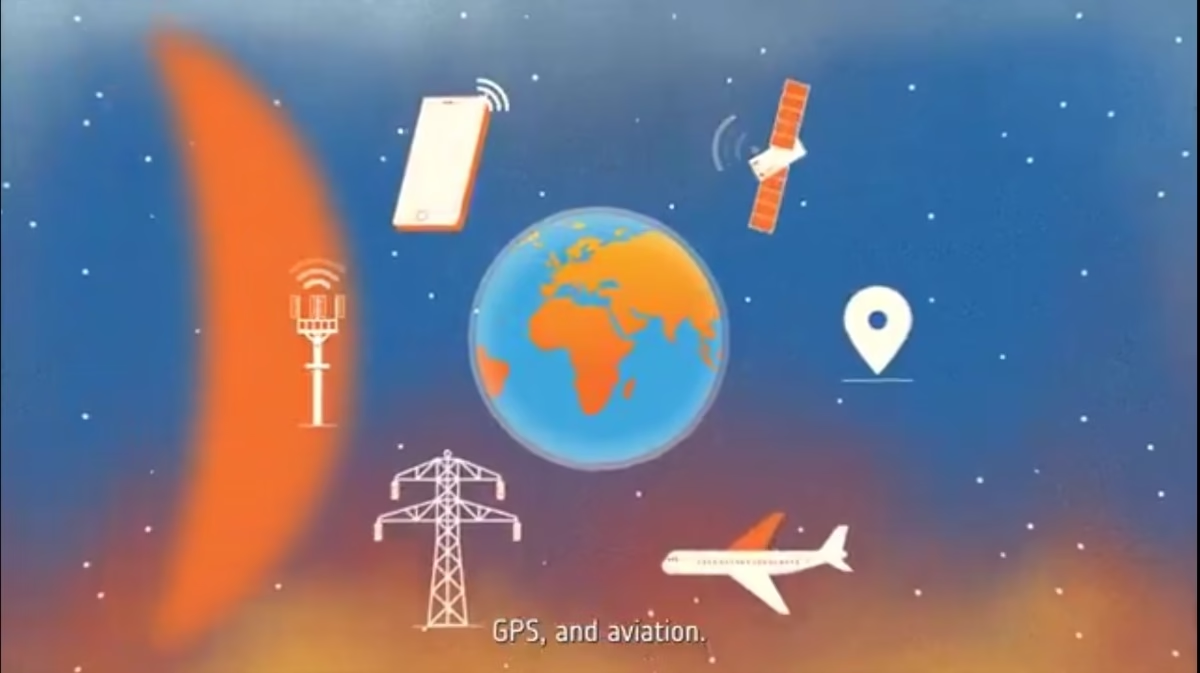
ESA Vigil space weather mission-ESA's Vigil satellite positioned at Lagrange Point L5 monitoring solar activity to forecast space weather events.Vigil satellite by ESA will act as an early warning system for solar storms, protecting Earth’s infrastructure from space weather impacts.


Introduction: ESA Vigil Space Weather Mission

A significant advancement in space weather monitoring is on the horizon with the launch of the ESA Vigil space weather mission. Designed to act as an early warning system for solar storms and other cosmic disturbances, the Vigil mission is poised to revolutionize the way humanity protects its satellites, astronauts, and vital terrestrial infrastructure from the unpredictable nature of the Sun.

Recent years have witnessed an alarming increase in solar activity. From intense solar flares to geomagnetic storms causing auroras visible across Europe, the Earth’s atmosphere has become a canvas of both beauty and concern. While these natural light displays are awe-inspiring, they are also indicators of powerful space weather events capable of disrupting power grids, GPS systems, and communication satellites.

Enter Vigil — a cutting-edge mission developed to monitor and report space weather events in real-time. With advanced instrumentation and a strategic location in space, Vigil will provide early warnings that can help mitigate the risks posed by solar activity.


Why Space Weather Forecasting Matters: ESA Vigil Space Weather Mission

Space weather refers to the environmental conditions in space as influenced by the Sun and solar wind. Events such as coronal mass ejections (CMEs), solar flares, and geomagnetic storms can significantly affect life on Earth. These solar events can:

  • Disrupt satellite operations
  • Interfere with aviation communication and navigation systems
  • Damage electrical power grids
  • Pose health hazards to astronauts in orbit
  • Impact military and civilian space operations

The increasing dependency on satellite-based technologies makes accurate space weather prediction more important than ever. The Vigil space weather mission is tailored to fill existing gaps in observation and forecasting capabilities.


The Role of the Vigil Mission: ESA Vigil Space Weather Mission

The Vigil mission is a European Space Agency (ESA) initiative that aims to provide real-time monitoring of the Sun’s activity. Unlike Earth-based observatories, which can be affected by atmospheric distortion and limited visibility, Vigil will be stationed at the Lagrange Point 5 (L5), a stable position in space that offers a unique sideways view of the Sun.

From L5, Vigil can observe the Sun’s surface and detect solar activity before it becomes Earth-facing. This location gives scientists and space agencies a crucial time advantage — in some cases, up to several days — to prepare for potential impacts.

The primary objectives of the Vigil mission include:

  • Early detection of solar flares and CMEs
  • Real-time space weather monitoring
  • Data transmission to Earth for analysis and forecasting
  • Support for satellite operators, power grid managers, and civil aviation authorities

Advanced Instruments on Board Vigil: ESA Vigil Space Weather Mission

Vigil will carry a suite of advanced scientific instruments, each designed to gather specific data on solar and heliospheric activity. Some of the key instruments include:

  1. Coronagraphs: For imaging the Sun’s outer atmosphere to detect CMEs.
  2. Heliospheric imagers: To track solar wind and particles as they travel through space.
  3. Magnetometers: To measure the strength and direction of interplanetary magnetic fields.
  4. Particle detectors: To analyze solar energetic particles that pose radiation risks to astronauts and satellites.
  5. Radiometers and UV sensors: For monitoring solar radiation and flare intensities.

These instruments will work in tandem to deliver continuous, high-resolution data, enabling space weather models to predict threats with higher accuracy than ever before.


Recent Events Highlighting the Need for Vigil: ESA Vigil Space Weather Mission

In 2023 and 2024, the world witnessed a rise in solar activity, including powerful solar flares and magnetic storms. These events led to visible auroras over regions such as Europe and Canada, far beyond their typical polar boundaries. While visually spectacular, these solar storms caused disruptions in satellite communications, delayed airline flights, and impacted power systems.

Such incidents underscore the necessity for proactive monitoring. The Vigil mission will provide the early warnings required to initiate protective actions like shutting down sensitive satellite components, re-routing flights, or adjusting power loads in electrical grids.


International Collaboration and Preparedness: ESA Vigil Space Weather Mission

The Vigil mission is not an isolated effort. It represents a significant collaboration between ESA, NASA, and other international partners. Global coordination is essential when it comes to responding to space weather threats, as the effects can span continents and disrupt global systems.

Agencies such as NOAA in the United States and the UK’s Met Office Space Weather Operations Centre will use Vigil’s data to issue alerts and advisories to governments, commercial sectors, and the general public.


Vigil’s Strategic Position at Lagrange Point 5: ESA Vigil Space Weather Mission

Lagrange Points are positions in space where the gravitational forces of Earth and the Sun balance the orbital motion of a spacecraft. L5 lies approximately 150 million kilometers from Earth and trails the planet in its orbit around the Sun. This position provides an advantageous sidelong view of the Sun, offering perspectives not possible from Earth or satellites in low Earth orbit.

From L5, Vigil can observe solar regions not yet visible from Earth, allowing it to spot sunspots and solar eruptions in advance. This extended visibility window could transform how we plan and protect against space weather events.


Protecting Earth and Space Infrastructure: ESA Vigil Space Weather Mission

As the world moves toward increasingly digital and interconnected systems, the vulnerability to space weather grows. Communications, defense systems, navigation, and financial transactions all rely heavily on satellite infrastructure. A severe solar storm, similar in magnitude to the 1859 Carrington Event, could potentially disrupt global infrastructure on a massive scale.

The Vigil space weather mission acts as a safeguard against such events. By providing advance warnings and detailed analysis, it enables governments, businesses, and institutions to prepare and respond effectively, thereby reducing risks to both space-based and ground-based systems.

Is China Going To Win Lunar Exploration Race? Mengzhou Spacecraft- Passes Crucial Escape Test for Future Moon Missions


Future Implications and Beyond: ESA Vigil Space Weather Mission

Vigil is a step toward a comprehensive space weather warning network. Its success could pave the way for more observatories positioned at other Lagrange Points and even around other celestial bodies like Mars or the Moon. The long-term goal is to establish a robust planetary defense system that not only forecasts space weather but also tracks near-Earth objects and cosmic threats.

As space exploration intensifies and more missions venture beyond Earth orbit, maintaining the safety of astronauts and spacecraft will depend heavily on the real-time insights provided by missions like Vigil.


The Vigil space weather mission marks a new frontier in humanity’s ability to understand, forecast, and respond to the powerful forces emitted by our Sun. From its strategic vantage point at Lagrange Point 5, Vigil will monitor the Sun’s activity with precision, offering advanced warnings that can help protect vital systems on Earth and in space.

Conclusion: ESA Vigil Space Weather Mission

As we enter a new era of solar activity, Vigil stands as a symbol of preparedness, innovation, and international cooperation. With its launch, the Earth gains not just a new satellite — but a vigilant guardian against the volatile cosmos.

https://x.com/esa/status/1945759598515790191?t=eNsHAAzHtce4d_It3XbCoA&s=19

FAQs: ESA Vigil Space Weather Mission


Q1. What is the Vigil space weather mission?
A: The Vigil space weather mission is an upcoming European Space Agency (ESA) satellite initiative designed to monitor solar activity and provide early warnings for potentially harmful space weather events such as solar flares and coronal mass ejections.

Q2. Why is the Vigil mission important?
A: Vigil will improve space weather forecasting by detecting solar activity before it impacts Earth, helping to protect satellites, power grids, astronauts, aviation, and other critical infrastructure.


Q3. Where will the Vigil satellite be located?
A: The Vigil spacecraft will be positioned at Lagrange Point 5 (L5), about 150 million kilometers from Earth. This point offers a unique sideways view of the Sun, allowing early detection of solar storms.


Q4. What instruments will be onboard the Vigil satellite?
A: Vigil will carry advanced instruments including coronagraphs, heliospheric imagers, particle detectors, magnetometers, and UV sensors to monitor the Sun’s activity and solar wind in real time.


Q5. How does Vigil help protect Earth from solar storms?
A: By spotting solar activity before it faces Earth, Vigil provides advanced warnings, giving governments and industries enough time to shut down vulnerable systems, reroute flights, or protect satellites from damage.


Q6. When is the Vigil mission expected to launch?
A: ESA plans to launch the Vigil mission in the coming years, with development and international cooperation currently underway. The official launch window will be announced closer to completion.


Q7. Who is involved in the Vigil mission?
A: The mission is led by the European Space Agency (ESA) with collaborations from NASA, NOAA, the UK Met Office, and other international space weather organizations.


Q8. Can Vigil predict all space weather events?
A: While no system can predict every event perfectly, Vigil will significantly enhance our capability by detecting early signs of solar activity, improving the accuracy and lead time of space weather forecasts.


Q9. How will Vigil benefit everyday life on Earth?
A: Vigil will help prevent disruptions to GPS, internet, aviation, and power systems, which are increasingly vulnerable to solar storms. It also helps ensure the safety of astronauts aboard the ISS and future space missions.


Q10. What makes Vigil different from other space weather missions?
A: Unlike Earth-based or near-Earth satellites, Vigil’s position at L5 offers a side-angle view of the Sun, allowing early detection of solar regions not yet visible from Earth — a strategic advantage in space weather forecasting.

Elon Musk Mars colonization plan: Inside the Mission to Build a Second Home and Make Humanity A Multiplanetary Species By 2030s.

Elon Musk Mars colonization plan: Inside the Mission to Build a Second Home and Make Humanity A Multiplanetary Species By 2030s.

Elon Musk Mars colonization plan using SpaceX’s Starship, Optimus Robots and X-Ai aiming to build a self-sustaining city and make humanity a multiplanetary species by 2030s.

Elon Musk Mars colonization plan-SpaceX Starship prototype on launch pad preparing for Mars colonization mission
A City On Mars-SpaceX’s Starship is central to Elon Musk’s vision of building a self-sustaining city on Mars (Photo Credit SpaceX).

Introduction

What is Elon Musk Mars colonization plan: Inside the Mission to Build a Second Home for Humanity

Elon Musk, founder and CEO of SpaceX, is not content with revolutionizing Earth-bound transportation or launching satellites. His most ambitious goal is to make life multiplanetary, with Mars as the next frontier. Colonizing Mars is not just a dream—it is a calculated mission with a timeline, engineering strategy, and a roadmap to move millions of people off Earth.

This article explores Elon Musk Mars colonization plan in detail: the technological innovations, logistical challenges, timelines, and long-term vision that drive one of the most ambitious endeavors in human history.


Why Colonize Mars?

Elon Musk often states that humanity faces existential threats—from natural disasters to artificial intelligence or even self-inflicted climate change. Colonizing another planet is, in his view, the ultimate insurance policy.

Mars is the best candidate for such colonization because:

  • It is relatively close to Earth.
  • It has surface gravity (about 38% of Earth’s).
  • It has polar ice caps and water ice below its surface.
  • A day on Mars is about 24.6 hours, making time management more practical.
  • It has a thin atmosphere that offers partial protection from radiation.

These features make Mars more viable than the Moon or other planets for long-term human presence.


SpaceX and the Starship: The Core of the Plan

At the center of Elon Musk’s Mars plan is Starship, SpaceX’s fully reusable, two-stage rocket system designed for deep space missions.

Starship System Overview

  • Height: Approximately 120 meters tall (with booster)
  • Payload Capacity: Up to 150 metric tons to low Earth orbit
  • Fuel Type: Methane and liquid oxygen (CH4/LOX)
  • Reusability: Both the booster (Super Heavy) and the Starship upper stage are fully reusable

Methane is a crucial part of this system because it can be synthesized on Mars using the Sabatier reaction, which combines carbon dioxide from Mars’s atmosphere with hydrogen to produce methane and water.

This allows Starships to refuel on Mars for return trips to Earth—a central feature of the colonization model.


Phase 1: Robotic Missions and Cargo Transport

The Elon Musk Mars colonization plan begins with a series of uncrewed Starship launches to test landing systems and deliver cargo.

These early missions will:

  • Transport life support systems, solar panels, fuel generators, and robotics.
  • Test automated landing and refueling systems.
  • Map the Martian surface and identify optimal settlement locations.

These preparatory steps are essential before any human sets foot on Mars.


Phase 2: First Crewed Missions

Musk has indicated that the first human missions to Mars could happen in the early 2030s, depending on Starship’s success and regulatory approval.

Key objectives of the first crewed missions will include:

  • Establishing habitats capable of supporting human life
  • Building surface energy infrastructure, likely solar
  • Starting the process of fuel production from Martian resources
  • Conducting detailed research into soil composition, radiation levels, and microbial risks

Crew members will likely stay for extended periods—potentially over a year—due to the long window between Earth-to-Mars transfer opportunities, which occur roughly every 26 months.


Phase 3: Building a Self-Sustaining Settlement

The long-term plan is to create a self-sustaining city on Mars with one million people or more. This will require:

  • Mass production of Starship to send hundreds of flights per launch window
  • Building pressurized domes or underground habitats
  • Farming and food production systems using Martian regolith, hydroponics, or greenhouses
  • Advanced recycling systems for water and waste
  • Medical facilities, education, and governance systems

Musk envisions this Martian city as independent from Earth in case communications or supply chains are interrupted.


Transportation Plan: Moving Millions Elon Musk Mars colonization plan


According to Musk, the only feasible way to build a large city on Mars is to dramatically lower the cost per kilogram of mass to orbit. This is why Starship’s reusability and massive payload are critical.

SpaceX plans to:

  • Launch a fleet of Starships during each transfer window
  • Refuel Starships in Earth orbit before sending them to Mars
  • Land cargo and humans at pre-established Martian sites
  • Use in-situ resources on Mars to produce return fuel

Eventually, this system could support the transport of hundreds of people per launch, bringing the goal of colonizing Mars within reach.


Sustainability and Terraforming: Elon Musk Mars colonization plan

Long-term survival on Mars requires more than just basic life support. Musk has proposed the idea of terraforming Mars—transforming its atmosphere and climate to make it more Earth-like.

While controversial and extremely difficult, concepts for terraforming include:

  • Releasing greenhouse gases to warm the planet
  • Melting the polar ice caps to thicken the atmosphere
  • Building large orbital mirrors to focus sunlight on key regions

However, Musk acknowledges that terraforming may take centuries, and the immediate goal is to build enclosed, self-contained habitats where life can thrive.


Mars Base Alpha: The First Settlement Elon Musk Mars colonization plan

Musk often refers to the first outpost on Mars as Mars Base Alpha. This prototype settlement will be:

  • Located near an ice-rich region
  • Consist of dome-shaped pressurized buildings
  • Powered by solar farms
  • Supported by robots, drones, and AI systems

The initial crew will likely include scientists, engineers, doctors, and technicians, working together to make the base livable and expandable.


Economic Model for Mars: Elon Musk Mars colonization plan

A sustainable Mars colony will also require an economic model. Musk has proposed ideas such as:

  • Mining rare elements for transport back to Earth
  • Developing intellectual property and software in Martian labs
  • Tourism for the ultra-wealthy in the early stages
  • Eventually building a self-contained Martian economy

In the future, people may even migrate to Mars for career opportunities, much like early settlers once moved to uncolonized parts of Earth.


International Collaboration and Policy: Elon Musk Mars colonization plan

Although SpaceX is leading the charge, Musk has expressed support for international partnerships and collaboration with agencies like NASA and ESA. He also advocates for new laws and governance models on Mars that differ from Earth-bound systems.

SpaceX believes Mars should be governed by local democracy, with settlers choosing their rules and leadership. This is a subject of ongoing ethical and legal discussion among global policymakers.


Challenges Ahead: Elon Musk Mars colonization plan

Despite significant progress, the Mars colonization plan faces major challenges:

  • Radiation exposure from solar and cosmic rays
  • Long-term health effects of reduced gravity
  • Psychological stress from isolation
  • Delays or failures in rocket development
  • Massive funding requirements over decades

Yet, SpaceX continues to innovate and test Starship systems at Starbase, Texas, with orbital launches already underway.


Public Support and Inspiration: Elon Musk Mars colonization plan

Musk’s Mars plan has captured the imagination of millions. It has inspired students to pursue STEM careers, researchers to develop new life-support systems, and policymakers to rethink the future of humanity.

The colonization of Mars is not just a scientific goal—it is a cultural movement, with art, education, and media all engaging with the possibilities of life on another planet.


Conclusion: Elon Musk Mars colonization plan

Elon Musk’s plan to colonize Mars is bold, risky, and revolutionary. It represents the most serious effort to date to take humanity beyond Earth and into the wider cosmos. While the journey will not be easy, the pieces are steadily coming together: the Starship, robotic preparation, life-support technology, and global excitement.

If successful, Mars colonization will be remembered not just as a technological feat, but as the moment humanity took its first real step toward becoming a spacefaring civilization.

OMG! Permanent Building on the Moon? Lunar Infrastructure And ISRU :  How NASA and ISRO Plan to Turn Lunar Soil into a Space Colony


FAQs: About Elon Musk Mars colonization plan


Q1. What is Elon Musk’s ultimate goal for Mars?

A: Elon Musk’s goal is to build a self-sustaining city on Mars with over one million people. He believes this will secure humanity’s future by making us a multiplanetary species.


Q2. How will people get to Mars according to Musk’s plan?

A: People will travel to Mars aboard SpaceX’s Starship, a fully reusable spacecraft designed to carry up to 100 passengers per flight. Refueling will occur in Earth orbit before launch to Mars.


Q3. What is Starship and why is it important?

A: Starship is SpaceX’s flagship vehicle for interplanetary travel. It’s designed to be reusable, cost-efficient, and capable of carrying cargo and humans to the Moon, Mars, and beyond.


Q4. When does Elon Musk plan to send humans to Mars?

A: Elon Musk has suggested the early 2030s as a potential target for the first human mission to Mars, depending on the success of ongoing Starship development and testing.


Q5. How will astronauts survive on Mars?

A: Astronauts will live in pressurized habitats, powered by solar energy and supported by systems that recycle air and water. Food will be grown using hydroponics or imported from Earth initially.


Q6. What is Mars Base Alpha?

A: Mars Base Alpha is the name Elon Musk gives to the first human settlement on Mars. It will be a small base with essential infrastructure for energy, life support, and research.


Q7. Will Mars be terraformed as part of the plan?

A: Musk has proposed long-term terraforming, such as warming the planet to make it more habitable. However, this could take hundreds of years and is not part of the initial colonization phase.


Q8. How will fuel be produced for return trips?

A: Fuel will be created on Mars using the Sabatier reaction, which combines carbon dioxide from the Martian atmosphere with hydrogen to produce methane, the same fuel Starship uses.


Q9. What challenges could delay Mars colonization?

A: Major challenges include radiation exposure, reduced gravity health effects, psychological stress, resource limitations, and regulatory or funding setbacks.


Q10. Will the Mars colony be governed by Earth laws?

A: Elon Musk has suggested Mars should have its own legal framework, governed by local settlers. This is still a subject of international legal debate and yet to be formally defined.


Tesla’s Optimus On Mars Mission: How AI-Driven Robots Could Build the First Martian Colony Without Human Risk

Beef Stew for Shubhashu Shukla? Progress MS-28 Launch Vital ISS Supplies from Kazakhstan By Russian Spacecraft

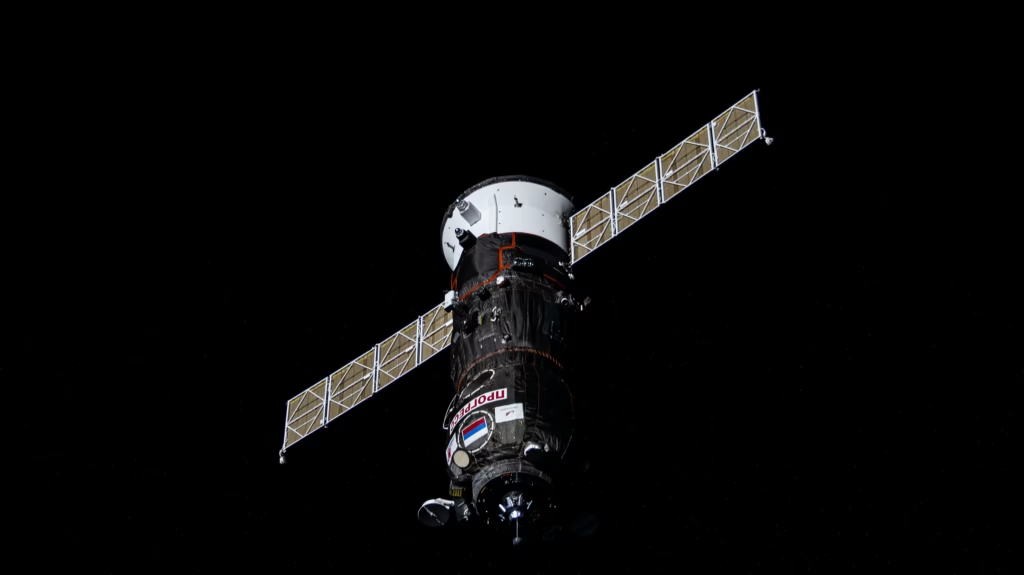
Russia’s Progress MS-28 Launch Vital ISS Supplies cargo spacecraft will launch July 3 from Kazakhstan, delivering food, fuel, and equipment to the ISS. Docking is scheduled for July 5.

Progress MS-28 Launch Vital ISS Supplies- A Russian Progress cargo spacecraft on a launchpad at the Baikonur Cosmodrome, ready for liftoff.
Progress MS-28 prepares for launch from Kazakhstan, carrying critical cargo to the International Space Station (Photo credit NASA).

Progress MS-28 Launch Vital ISS Supplies 


A new uncrewed Progress resupply mission is scheduled to launch from the Baikonur Cosmodrome in Kazakhstan on Thursday, July 3, delivering essential cargo to astronauts aboard the International Space Station (ISS). Operated by the Russian space agency Roscosmos, the spacecraft will dock with the station on July 5, bringing food, water, fuel, and other critical supplies.

This mission is part of Russia’s long-standing Progress cargo program, which has been instrumental in sustaining the ISS since the early 2000s. The upcoming launch underscores the ongoing international cooperation that enables continuous human presence in low Earth orbit.


The Progress MS-28 cargo spacecraft, set to launch on July 3, will carry a wide range of food items and essential supplies to the crew aboard the International Space Station (ISS). While Roscosmos typically does not release a detailed public manifest of every item, based on standard Progress missions and the needs of current space crews, the following are the typical categories of food and supplies expected on board:


Types of Food Being Delivered

The food sent to the ISS must be nutritionally balanced, long-lasting, lightweight, and easy to prepare in microgravity. The Progress MS-28 mission is expected to include:

1. Thermostabilized Meals

Prepared dishes that are sealed in cans or pouches and sterilized using heat. Examples include:

  • Beef stew
  • Chicken in cream sauce
  • Pork with buckwheat
  • Lentils with vegetables
  • Rice with meat and gravy

2. Dehydrated and Freeze-Dried Foods

These are rehydrated with hot or cold water aboard the ISS:

  • Instant soups and borscht
  • Mashed potatoes
  • Noodles and pasta
  • Oatmeal and porridge
  • Scrambled eggs

3. Snacks and Side Items

For in-between meals or additional nutrition:

  • Dried fruits (apricots, prunes)
  • Nuts and seeds
  • Biscuits and cookies
  • Fruit and vegetable bars
  • Honey and jam in tubes

4. Drinks and Beverage Powders

Delivered in single-use pouches for mixing with water:

  • Tea (black and green)
  • Coffee (regular and decaffeinated)
  • Fruit juice concentrates (apple, orange, grape)
  • Electrolyte drink powders
  • Cocoa and milk substitutes

5. Specialty and Custom Foods

Some crew members, depending on nationality and preference, may receive special foods from their home countries (e.g., Japanese miso soup, European cheeses, or American tortillas). These are included based on mission agreements.


Non-Food Supplies on Progress MS-28

Along with food, the spacecraft will deliver a variety of essential consumables and equipment needed for daily life and operations aboard the ISS:

1. Water and Air Supplies

  • Drinking water stored in special containers
  • Oxygen cylinders to replenish breathable air
  • Nitrogen tanks to maintain cabin pressure balance

2. Medical and Hygiene Items

  • First aid and emergency medical kits
  • Personal hygiene products (toothbrushes, soap, towels)
  • Disinfectants and antibacterial wipes
  • Sanitary items including crew-specific hygiene packs

3. Clothing and Personal Items

  • Fresh clothing for crew rotation (T-shirts, socks, undergarments)
  • Towels and linens
  • Personal care kits

4. Station Maintenance and Tools

  • Replacement parts for hardware and life support systems
  • Filters for air and water systems
  • Cables, power connectors, and electronics components
  • Tools for minor repairs and assembly

5. Science and Research Equipment

  • New experiment kits for biology, physics, and technology research
  • Containers for microgravity fluid and combustion tests
  • Materials for medical studies (e.g., muscle and bone loss research)
  • Sample return containers for future reentry missions

Waste Management and Return Function

Progress MS-28 is also equipped to handle waste removal. After the onboard cargo is unloaded:

  • Used clothes, packaging, waste materials, and expired hardware are loaded into the spacecraft.
  • Once full, the Progress will undock and perform a controlled deorbit, burning up over the South Pacific Ocean during reentry.

This dual-purpose use—resupply and disposal—makes Progress missions highly efficient for ISS logistics.

Progress MS-28 Launch Vital ISS Supplies: Mission Overview

Progress MS-28 Launch Vital ISS Supplies, The spacecraft, designated Progress MS-28 (or Progress 88P in NASA’s tracking system), will be launched atop a Soyuz-2.1a rocket from Site 31/6 at Baikonur. Liftoff is expected around 09:00 UTC (14:30 IST), depending on final countdown conditions and weather.

Progress MS-28 Launch Vital ISS Supplies, Following launch, the spacecraft will follow a two-day rendezvous profile, gradually adjusting its orbit to align with the ISS. Once it arrives on July 5, it will dock automatically to the aft port of the station’s Zvezda service module using its Kurs automated navigation and docking system.

Roscosmos flight controllers at the Mission Control Center in Korolev, near Moscow, will monitor the spacecraft’s journey and ensure proper orbital adjustments. The astronauts aboard the ISS will stand by to verify docking and unloading. 


Progress MS-28 Launch Vital ISS Supplies: Role of Progress in ISS Operations

The Progress cargo vehicle has been a cornerstone of Russian spaceflight support since the Soviet era. The modern Progress MS series is a derivative of the Soyuz crew vehicle, modified for uncrewed logistics missions.

Each Progress spacecraft is capable of operating autonomously in orbit for several months. Once docked to the station, it becomes an integral part of the orbital complex, often used for waste storage and occasionally to adjust the ISS’s orbit to avoid space debris or prepare for incoming spacecraft.

Progress vehicles have consistently proven reliable, with a long record of successful missions. While other nations contribute cargo resupply through vehicles such as Northrop Grumman’s Cygnus, SpaceX’s Dragon, and JAXA’s HTV (and its future HTV-X), Progress continues to play a unique and central role in Russian and international station operations.


Progress MS-28 Launch Vital ISS Supplies: Crew Readiness and ISS Operations

Currently, the Expedition 72 crew is maintaining a full research and operations schedule aboard the ISS. The arrival of Progress MS-28 will provide the astronauts with needed restocking of consumables and additional tools for planned activities.

Crew members are trained to receive incoming spacecraft, monitor their approach, and verify systems during automated dockings. In the rare event of a malfunction, crew members are prepared to take manual control using backup systems on board.

Once the cargo is unloaded, the Progress will remain docked for several months. Before it is deorbited, it will be filled with waste and discarded equipment for controlled disposal over the Pacific Ocean.


Progress MS-28 Launch Vital ISS Supplies: International Collaboration Continues

Despite geopolitical tensions on Earth, the ISS remains a beacon of international cooperation in space. NASA, Roscosmos, ESA, JAXA, and CSA continue to work together in the maintenance, operation, and resupply of the orbital laboratory.

This upcoming Progress launch marks another in a long series of coordinated missions that support the daily needs of astronauts and researchers living off the planet. It highlights the resilience and reliability of space partnerships that transcend national boundaries.


Progress MS-28 Launch Vital ISS Supplies: Future Progress Missions

Following the MS-28 mission, Roscosmos has additional Progress launches planned throughout 2025 and 2026, ensuring continuous support to the ISS as it enters its final years of planned operation. Some missions may also include modules or experimental payloads aimed at testing systems for future Russian space station concepts.

Roscosmos is also working on integrating improvements to the Progress spacecraft, including enhanced avionics and automated systems for better efficiency and safety.

Progress MS-28 Launch Vital ISS Supplies, as the global space industry evolves, the role of vehicles like Progress remains critical not only for logistics but also for demonstrating long-term sustainability in human spaceflight operations.

Falcon 9 to Launch USSF‑178 Mission: Cutting-Edge Weather Satellite and BLAZE‑2 Prototype Fleet, Will Enhance USA’s Military Capabilities?


Progress MS-28 Launch Vital ISS Supplies: Conclusion

Progress MS-28 Launch Vital ISS Supplies- The scheduled July 3 launch of the uncrewed Progress MS-28 cargo spacecraft from Kazakhstan marks another step in the enduring support system that keeps the International Space Station supplied and operational. With essential food, fuel, and science equipment aboard, the mission reinforces the vital infrastructure that allows humans to live and work in space.

Progress MS-28 Launch Vital ISS Supplies as the spacecraft docks on July 5, it will continue a tradition of dependable service, contributing to the safety, productivity, and continuity of operations aboard the ISS. It is a reminder that behind every scientific breakthrough in orbit is a network of support systems and logistical missions like Progress—quietly enabling humanity’s continued presence in space. 

Source:- 

https://x.com/NASA/status/1939775741618446613?t=ALNzAl8NHc33LJ83O7nuAQ&s=19

Progress MS-28 Launch Vital ISS Supplies: FAQs

Q1. What is the Progress MS-28 spacecraft?
Progress MS-28 is an uncrewed cargo spacecraft developed and operated by Roscosmos, Russia’s space agency. It is designed to deliver supplies to the International Space Station (ISS).


Q2. When will Progress MS-28 launch?
The spacecraft is scheduled to launch on Thursday, July 3, 2025, from the Baikonur Cosmodrome in Kazakhstan.


Q3. When will Progress MS-28 dock with the ISS?
It is scheduled to dock with the ISS on July 5, 2025, two days after launch.


Q4. What rocket will launch Progress MS-28?
Progress MS-28 will be launched aboard a Soyuz-2.1a rocket, one of Russia’s most reliable launch vehicles.


Q5. What kind of cargo is it carrying?
The spacecraft will carry approximately 2.5 metric tons of food, water, fuel, spare parts, scientific equipment, and medical supplies for the crew aboard the ISS.


Q6. Is anyone onboard the Progress spacecraft?
No, Progress MS-28 is an uncrewed vehicle designed for autonomous operation and automated docking with the space station.


Q7. How does the spacecraft dock with the ISS?
Progress uses an automated navigation system called Kurs to guide and dock itself with the station, usually without the need for crew intervention.


Q8. How long will the Progress MS-28 stay attached to the ISS?
Typically, a Progress vehicle remains docked for several months before being loaded with waste and undocked for controlled deorbit and destruction in Earth’s atmosphere.


Q9. What happens to the Progress spacecraft after the mission?
Once its mission is complete and the cargo is unloaded, the spacecraft is filled with waste and burned up during reentry over the Pacific Ocean.


Q10. Why are Progress missions important?
Progress cargo missions are critical for maintaining the ISS. They deliver life-support materials, equipment for research, and performh tasks like orbital adjustments, keeping the station operational and safe.


OMG! Permanent Building on the Moon? Lunar Infrastructure And ISRU :  How NASA and ISRO Plan to Turn Lunar Soil into a Space Colony

Tesla’s Optimus On Mars Mission: How AI-Driven Robots Could Build the First Martian Colony Without Human Risk


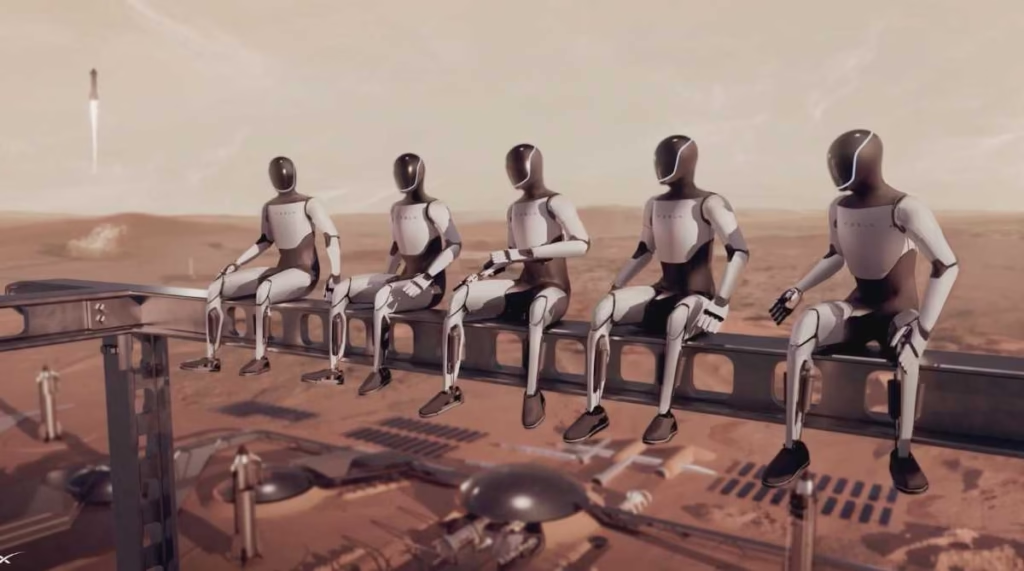
Tesla’s Optimus On Mars Mission- discover how AI-driven robots like Tesla’s Optimus can help establish and maintain a Mars colony by building habitats, managing resources, and minimizing risk to human life.

Tesla’s Optimus On Mars Mission- AI robot like Tesla Optimus assembling a Martian habitat under a red sky.
Tesla’s Optimus On Mars Mission-Tesla’s Optimus robot could lead the charge in building Mars colonies, performing dangerous tasks before humans arrive ( image credit Sawyer Merritt).


Tesla’s Optimus On Mars Mission- An Introduction

As humanity advances toward interplanetary exploration, Mars has emerged as the next frontier. With missions from NASA, SpaceX, and other private players moving rapidly toward manned exploration of the Red Planet, the question of sustainable colonization becomes more urgent. One of the greatest challenges of building a colony on Mars is mitigating the high risks to human life. From toxic soil and radiation to extreme temperatures and isolation, Mars poses numerous hazards. Enter AI-driven humanoid robots like Tesla’s “Optimus,” designed to work in harsh environments with minimal oversight.

Tesla’s Optimus On Mars Mission: These robots could play a pivotal role in laying the foundation of a Martian colony before humans even arrive. Equipped with artificial intelligence, machine learning capabilities, and robust mechanical designs, AI robots like Optimus can perform repetitive, dangerous, and technically complex tasks. They are not only tools of labor but intelligent partners in the mission to expand human presence beyond Earth.

Tesla’s Optimus On Mars Mission: The Challenge of Mars Colonization

Mars is inhospitable to humans in every way. Its average temperature is around minus 60 degrees Celsius. The planet lacks a breathable atmosphere, has one-third of Earth’s gravity, and is bombarded by solar and cosmic radiation. Landing and living on Mars require protective habitats, energy sources, food production systems, and constant maintenance.

Transporting humans to Mars is expensive and high-risk. Thus, using AI-driven robots for pre-deployment work and long-term maintenance is both practical and essential. Their ability to operate continuously, adapt to unexpected challenges, and learn from data makes them ideal candidates for foundational work.

Tesla’s Optimus: The AI Humanoid Worker

Tesla’s humanoid robot, named Optimus, was first unveiled by Elon Musk in 2021. The project, part of Tesla’s broader AI strategy, is built on the same software and neural network foundation used in Tesla’s autonomous vehicles. Optimus is designed to handle dangerous, boring, or repetitive tasks — the very types of labor that would be needed in early Mars colonization efforts.

Key Features of Tesla Optimus Relevant to Mars Missions:

  • AI Neural Network: Trained on real-world data from Tesla vehicles and robotics applications.
  • Human-Like Dexterity: Able to handle tools, operate machinery, and manipulate objects with precision.
  • Mobility: Capable of walking across uneven terrain, climbing stairs, and adjusting posture.
  • Energy Efficiency: Optimus is powered by batteries and designed to operate continuously on minimal power, ideal for Mars where energy is limited.
  • Autonomy and Remote Operation: Capable of autonomous decision-making and remote supervision from Earth or an orbital station.

Tesla’s Optimus On Mars Mission: Applications of AI Robots Like Optimus in Mars Colonization

1. Habitat Construction

One of the first steps in Mars colonization is building safe, pressurized habitats. This includes digging foundations, assembling modular living units, and sealing them against radiation and atmospheric leakage. Optimus and similar robots could:

  • Assemble prefabricated habitat modules.
  • Operate 3D printing equipment using Martian regolith.
  • Lay wiring and install life support systems.
  • Conduct quality checks using built-in sensors.

This reduces the need for human extravehicular activity, which is dangerous and resource-intensive.

2. Surface Exploration and Site Analysis

Before any infrastructure is built, the terrain must be mapped and evaluated. AI robots can carry out this task with sensors like LIDAR, thermal imaging, and spectrometers. They can:

  • Scout and select optimal locations for bases.
  • Identify natural shelters like lava tubes.
  • Monitor soil composition and search for water ice.
  • Map radiation levels and terrain hazards.

This allows mission planners to choose the safest and most resource-rich areas for development.

3. Solar Panel Deployment and Power Maintenance

Power is vital for any operation on Mars. AI robots could set up solar farms, clean solar panels of dust, and monitor electrical systems. Optimus could:

  • Install large-scale solar arrays.
  • Troubleshoot electrical circuits autonomously.
  • Replace damaged wiring or components.
  • Recharge itself from available energy sources.

By ensuring uninterrupted power supply, robots make sustained human presence viable.

4. Agricultural Automation

Food production is essential for long-term colonization. Robots can manage greenhouses, hydroponic systems, and bio-domes. Optimus units may:

  • Plant and harvest crops using machine vision.
  • Monitor water, light, and nutrient levels.
  • Maintain environmental controls inside growth chambers.
  • Carry samples to labs for analysis.

With machine learning, these robots can optimize crop yields even in unpredictable Martian conditions.

5. Repair and Maintenance Tasks

Every system on Mars — from air recyclers to communication antennas — requires regular maintenance. Failure can be fatal. Optimus robots are suited for:

  • Diagnosing system faults using AI-driven predictive maintenance.
  • Performing repairs using advanced toolkits.
  • Carrying spare parts and conducting upgrades.
  • Cleaning sensitive instruments and habitat interiors.

Their ability to operate in both routine and emergency scenarios makes them indispensable.

6. Radiation Monitoring and Shielding

Radiation is a constant threat on Mars due to the thin atmosphere. Robots can assist in:

  • Installing protective shielding using Martian soil or hydrogen-based materials.
  • Monitoring radiation levels in real time.
  • Relocating equipment based on exposure data.
  • Testing effectiveness of experimental shielding solutions.

This provides critical protection for both robots and future human settlers.

Tesla’s Optimus On Mars Mission: Minimizing Human Risk Through Robotic Autonomy

AI robots eliminate the need for humans to perform initial high-risk work. Before astronauts land, a fleet of Optimus units could already be building infrastructure, testing systems, and verifying environmental safety. This ensures that human crews arrive at a functional, tested habitat — significantly increasing their survival odds.

In emergency scenarios, robots can also assist in rescue operations, deliver supplies, or contain hazards like chemical leaks or mechanical failures without risking human life.

The Role of AI in Adaptive Decision-Making

Mars is unpredictable. AI’s strength lies in its ability to learn, adapt, and improve from experience. Optimus robots powered by advanced neural networks can:

  • Learn from operational data over time.
  • Communicate with each other and with mission control.
  • Modify strategies based on environmental inputs.
  • Handle tasks not explicitly programmed if trained on enough examples.

This flexibility is crucial when facing unknown challenges 225 million kilometers from Earth.

Tesla’s Optimus On Mars Mission: Interoperability with Other Robotic Systems

In addition to humanoid robots, other robotic systems like rovers, drones, and industrial bots will work in concert. Optimus can interface with:

  • Autonomous rovers for logistics and transport.
  • Construction robots for large-scale assembly.
  • Flying drones for surveillance and inspection.
  • Orbital satellites for high-level mission data.

This creates a robust robotic ecosystem capable of supporting an entire colony.

Long-Term Role in Human Colonization

As the colony grows, robots will continue to play a central role. They will help expand living quarters, mine resources, build roads, and even assist in scientific research. Over time, AI robots may evolve to operate with greater independence, becoming Mars’ primary labor force while humans focus on planning, leadership, and innovation.

Tesla’s Optimus, or future models inspired by it, could also serve psychological roles — offering companionship, assistance, and communication support to isolated astronauts.

Is China Going To Win Lunar Exploration Race? Mengzhou Spacecraft- Passes Crucial Escape Test for Future Moon Missions

Tesla’s Optimus On Mars Mission: Conclusion

Mars colonization is no longer a dream — it is a plan in motion. But the dream cannot be realized safely without intelligent, capable machines like Tesla’s Optimus. These AI-powered humanoid robots will be at the frontline, preparing the planet, maintaining operations, and ensuring that when humanity arrives, the foundation has already been laid.

Tesla’s Optimus On Mars Mission: By reducing the need for humans to perform life-threatening tasks, robots not only make Mars colonization safer but also more sustainable. With continued advancements in AI and robotics, the vision of a thriving, self-sufficient Mars colony grows more attainable each day.

News Source:-

https://x.com/SawyerMerritt/status/1928198540183880073?t=A2JN-wyWSVkIUjYfbBs82g&s=19


Tesla’s Optimus On Mars Mission FAQs: How Tesla’s Optimus Robots Could Help Colonize Mars


Q1: What is Tesla’s Optimus robot?
A: Tesla’s Optimus is a humanoid robot developed by Tesla Inc., designed to perform tasks that are dangerous, repetitive, or boring for humans. It uses the same AI technology as Tesla’s autonomous vehicles and is capable of walking, handling tools, and interacting with its environment.


Q2: Why are robots like Optimus important for Mars missions?
A: Mars has extreme conditions that are unsafe for humans. Robots like Optimus can prepare the environment, build shelters, set up power systems, and maintain equipment — all before humans arrive — reducing risk and ensuring mission safety.


Q3: What kind of tasks can Optimus perform on Mars?
A: Optimus can build habitat modules, install solar panels, grow food in greenhouses, repair mechanical systems, explore terrain, monitor radiation, and assist in emergencies — all without human intervention.


Q4: How will Optimus robots survive Mars’ harsh environment?
A: Optimus can be equipped with heat-resistant materials, dust protection, and specialized programming to function in Mars’ cold temperatures, low gravity, and dusty atmosphere. It can also operate within pressurized facilities or modified suits for external work.


Q5: Can Optimus be remotely controlled from Earth?
A: Yes, Optimus can be remotely monitored and directed from Earth or from an orbiting Mars station. However, due to communication delays, it is primarily designed to operate autonomously using artificial intelligence.


Q6: Will robots replace astronauts in space missions?
A: No. Robots are meant to support and protect astronauts by performing high-risk tasks. They help reduce human exposure to danger and make missions more efficient, but humans will still be central to leadership, science, and decision-making.


Q7: How does Optimus interact with other machines on Mars?
A: Optimus can work in coordination with rovers, drones, construction bots, and other automated systems. Through networked communication and shared AI protocols, these machines can collaborate on complex tasks like building infrastructure.


Q8: What powers the Optimus robot on Mars?
A: Optimus is powered by rechargeable batteries. On Mars, these would be charged using solar energy or nuclear power sources integrated into the colony’s power system.


Q9: Is Tesla the only company developing humanoid robots for space?
A: No, other companies and agencies, including NASA and Boston Dynamics, are also developing robotic systems for space exploration. However, Tesla’s Optimus is one of the most promising due to its integration of advanced AI and real-world engineering.


Q10: When could Optimus be deployed to Mars?
A: While no official date is set, Optimus or similar robots could be sent on early Mars missions within the next decade, especially if SpaceX or other agencies pursue crewed Mars missions in the 2030s.


OMG! Permanent Building on the Moon? Lunar Infrastructure And ISRU :  How NASA and ISRO Plan to Turn Lunar Soil into a Space Colony


Falcon 9 to Launch USSF‑178 Mission: Cutting-Edge Weather Satellite and BLAZE‑2 Prototype Fleet, Will Enhance USA’s Military Capabilities?

Falcon 9 to Launch USSF‑178 Mission for the U.S. Space Force, deploying the DoD’s next-gen weather satellite and BLAZE‑2 prototypes. Learn how this mission advances military space strategy.

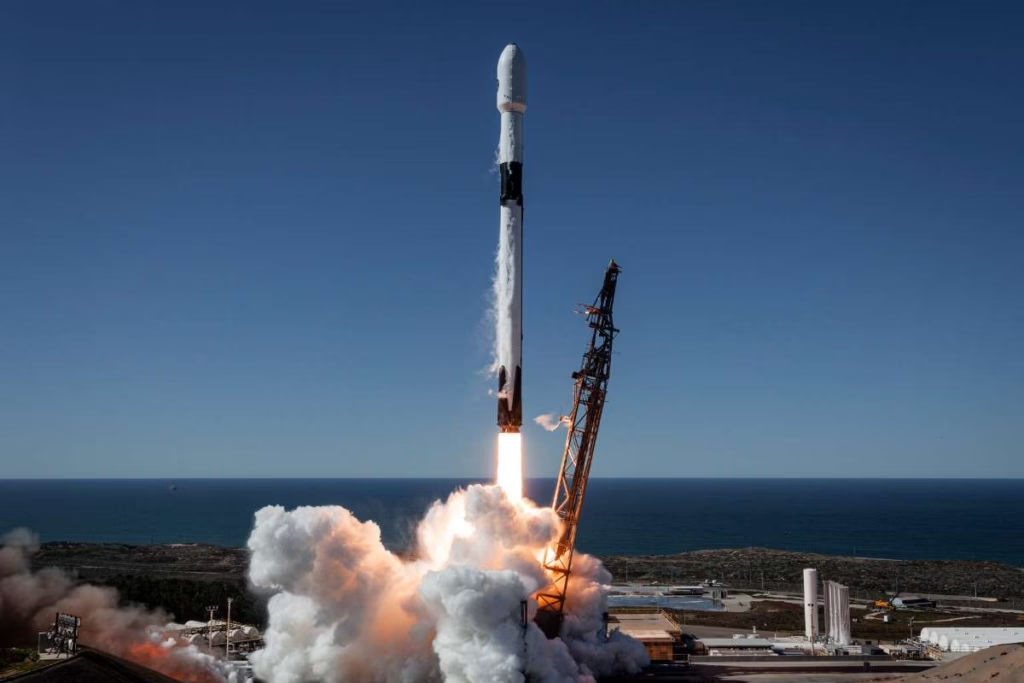
Falcon 9 to Launch USSF‑178 Mission-Falcon 9 rocket launches USSF‑178 mission for U.S. Space Force carrying weather and prototype satellites.
SpaceX’s Falcon 9 rocket lifts off with the USSF‑178 mission, deploying a next-generation weather satellite and BLAZE‑2 prototype smallsats for the U.S. Space Force ( Photo credit SpaceX).

Falcon 9 to Launch USSF‑178 Mission: Enhanced Space Military strength

SpaceX is preparing to launch its Falcon 9 rocket today on behalf of the United States Space Force—a mission officially designated USSF‑178. This launch marks another significant milestone for military and scientific satellite deployment, carrying two critical payload types:

  1. A next-generation weather surveillance spacecraft built for the Space Systems Command, and
  2. The BLAZE‑2 constellation—a network of small prototype satellites designed for operational research and development.

Below is a thorough overview of the USSF‑178 mission, the payloads on board, SpaceX’s role, and the mission’s relevance to national security and space innovation.


1. Falcon 9 to Launch USSF‑178 Mission: What Is USSF‑178?

Falcon 9 to Launch USSF‑178 Mission is a multi-manifest launch operated by SpaceX under contract with the U.S. Space Force. Managed by Space Systems Command (SSC), this launch delivers essential technology for weather monitoring and defense experiments. It demonstrates the growing reliance on small and medium-class satellites to enhance situational awareness on and off Earth.


2. Launch Vehicle: Falcon 9

Falcon 9, SpaceX’s workhorse, is the rocket of choice for USSF‑178. Known for its reusable first stage, orbital precision, and rapid turnaround, Falcon 9 delivers reliable access to space for both government and commercial customers. For this mission, SpaceX plans to recover the first stage after landing on one of its droneships.

Falcon 9’s track record includes numerous successful launches of spacecraft ranging from GPS satellites to crewed Dragon missions. Its versatility continues to make it a top choice for military payloads.


3. Primary Payload: Space Systems Command Next-Gen Weather Satellite

3.1 Mission Overview

The main payload aboard USSF‑178 is a new weather system space vehicle developed by Space Systems Command. Though its official designation remains under wraps, sources suggest that it will be among the most advanced weather monitoring satellites in the U.S. defense portfolio.

3.2 Key Features

  • High-resolution imaging for real-time storm tracking and atmospheric observation
  • Ability to collect data on severe weather—like hurricanes, solar events, and space weather
  • Integration with the DoD’s weather data architecture to provide actionable information for military and civilian use

By launching this asset, the military hopes to enhance global weather monitoring capabilities, improving mission planning and humanitarian response.


4. Secondary Payloads: BLAZE‑2 Prototype SmallSats

4.1 Introducing BLAZE‑2

The USSF‑178 mission also carries the BLAZE‑2 constellation—a package of small prototype satellites designed to test new technologies in space. These SmallSats will collect data that could influence future defense and communications systems.

4.2 The Purpose of BLAZE‑2

  • Hardware and software experimentation in orbit, including as-yet-unreleased tech
  • Operational resilience testing in varied orbital and environmental conditions
  • Gathering performance data to inform subsequent generations of military space hardware

This mission represents a growing trend toward rapid prototyping and deployment in space, reducing the time needed to transition ideas into orbit.


5. Strategic Military and National Security Implications

Falcon 9 to Launch USSF‑178 Mission

5.1 Enhanced Weather Awareness

The new weather satellite will provide real-time environmental data critical to military planning and humanitarian missions.

5.2 Accelerated Defense R&D

With BLAZE‑2, the U.S. Space Force is embracing agile development, aiming to test and iterate technologies in orbit before full production.

5.3 Supporting Future DoD Missions

The success of this launch signals strong commitment to maintaining a cutting-edge space architecture that combines resiliency, speed, and technological superiority.


6. Falcon 9 to Launch USSF‑178 Mission: The Launch Timeline

  • Launch Complex: Falcon 9 will lift off from a SpaceX facility on the U.S. Eastern Seaboard, south of Cape Canaveral.
  • Launch Window: A multi-hour window opens today, selected to meet orbital insertion requirements.
  • Stage Separation: After approximately two minutes, the first stage will detach and glide to a drone ship landing.
  • Second Stage Burn: Continues toward orbital destination before deploying payloads.
  • Deployment Sequence: The weather spacecraft is expected to separate first, followed by BLAZE‑2 satellites in a planned deployment sequence.

7. Falcon 9 to Launch USSF‑178 Mission: How Falcon 9 Recovers Its Boosters

Reconquering the first stage is a hallmark of Falcon 9 operations:

  • Stage Separation: Once main booster engines shut off, the first stage performs a flip maneuver.
  • Boostback and Re-entry Burn: Ensures precise coast and reentry into Earth’s atmosphere.
  • Landing Burn: Final deceleration allowing a soft touchdown on SV “A Shortfall of Gravitas” or “Of Course I Still Love You.”
  • Recovery and Refurbishment: The mission will be added to the Falcon 9 booster’s flight history if recovered successfully.

This reusability model significantly reduces launch costs and accelerates mission cadence.


8. Broader Context: DoD’s Shift in Space Strategy

8.1 Small Satellite Growth

The DoD is increasingly adopting small satellite platforms to support responsive, agile space capabilities.

8.2 Prototyping in Orbit

Initiatives like BLAZE‑2 support a shift toward operational experimentation, testing new hardware and software in space for real-world evaluation.

8.3 Public–Private Partnership

By leveraging SpaceX’s reusable rockets, the DoD can accelerate deployment and reduce costs while focusing on mission objectives rather than launch logistics.

Rocket Lab Makes History: 10 Launches in 2025 with 100% Success: ‘Symphony In The Stars’ Signals a Record-Breaking Month for Electron


9. Falcon 9 to Launch USSF‑178 Mission: What to Watch After Launch

  • First-Stage Recovery: Determine if Falcon 9 booster lands successfully
  • Payload Health: Space Force confirmation of satellite tracking and systems tests
  • Mission Updates: Over coming days, the DoD and SpaceX will confirm successful deployments

These are validated via telemetry, ground station reports, and possibly later press releases or congressional updates.


10. Falcon 9 to Launch USSF‑178 Mission: What Happens After Payload Deployment

10.1 Spacecraft Activation

  • The weather spacecraft and BLAZE‑2 satellites initiate systems checks
  • Sun-pointing, thermal cycling, and communications link establishment

10.2 Early Operations

The weather satellite will begin data collection within days. The BLAZE‑2 satellites will log test parameters and may remain active for weeks or months as they experiment in orbit.

10.3 Long-Term Roadmap

If successful, BLAZE prototype data may feed into future satellite programs and influence the design of larger constellations or updated defense platforms.


11. Falcon 9’s Proven Capability

Since its debut in 2010, Falcon 9 has flown over 200 missions, including GPS, Starlink, Defense Support Program, and Crew Dragon. Its 100+ successful recoveries underline its reliability. The USSF‑178 mission is another confirmation of Falcon 9’s capacity to deliver multi-payload missions with precision and persistence.


12. Implications for SpaceX and the DoD

12.1 Budgetary Efficiency

Reusable rockets lower launch costs, freeing military funding for additional capabilities.

12.2 Mission Speed

SpaceX’s rapid launch cadence allows DoD to plan responsive schedules and revise mission architecture more dynamically.

12.3 Technological Edge

Deploying weather and prototype hardware strengthens the national space posture in both civil and defense contexts.


13. Future DoD–SpaceX Collaborations

The USSF‑178 mission builds on previous Space Force launches like NROL-class insertions and secret payload missions. Future efforts may involve:

  • Larger payloads or classified systems
  • Rapid-response missions
  • Fleet replenishment capabilities

The Space Force goal is to align with commercial innovation and leverage private infrastructure for defense gains.


14. Falcon 9 to Launch USSF‑178 Mission: What This Means for Space Innovation

This mission reflects several long-term trends:

  • A shift toward rapid prototyping in orbit
  • Increased use of small satellites for resilience and coverage
  • Public–private partnerships as the backbone of military and civilian space efforts

USSF‑178 pushes the conversation from exploration to integration and operations—space as a functional warfighting domain as much as a frontier.


15. Falcon 9 to Launch USSF‑178 Mission: Final Takeaways

  • USSF‑178 brings high-value weather data and experimental payloads to orbit on a single launch
  • April–June cadence demonstrates the Space Force’s growing reliance on smallsat platforms

This mission stands at the nexus of tech, national security, and commercial progress—q uietly redefining how military space operations are conducted.

News Source:-

https://x.com/SpaceX/status/1938758049000497466?t=MnJCuRVh1HkbsLwEtr5cmg&s=19


Falcon 9 to Launch USSF‑178 Mission FAQs: Falcon 9 Launch for the U.S. Space Force


Q1. What is the USSF‑178 mission?

A: USSF‑178 is a multi-payload satellite mission launched by SpaceX’s Falcon 9 rocket for the U.S. Space Force. It includes a new weather system space vehicle for Space Systems Command and BLAZE‑2, a set of small prototype satellites for experimental research and development in orbit.


Q2. Who is managing the mission?

A: The mission is managed by Space Systems Command (SSC), a division of the U.S. Space Force responsible for developing and delivering resilient space capabilities to warfighters.


Q3. What rocket is being used for this mission?

A: SpaceX’s Falcon 9 rocket is being used. It is a two-stage, partially reusable orbital launch vehicle known for its precision, cost-efficiency, and high reliability.


Q4. What is the purpose of the weather system space vehicle?

A: The weather satellite will provide advanced monitoring of global weather patterns, including storm activity, atmospheric conditions, and space weather. It supports both military planning and civil emergency response efforts.


Q5. What is BLAZE‑2?

A: BLAZE‑2 is a set of prototype small satellites designed to test new hardware, software, and communication technologies in orbit. These tests will help inform future Department of Defense satellite missions and architectures.


Q6. Why is this mission important to national defense?

A: It supports faster prototyping, more responsive satellite deployment, and enhanced weather intelligence—all of which are critical for military operations, global awareness, and technological advancement in contested environments.


Q7. Where is the launch taking place?

A: The Falcon 9 launch is scheduled to lift off from Cape Canaveral Space Launch Complex, located on the eastern coast of Florida.


Q8. Will the Falcon 9 booster be recovered?

A: Yes, SpaceX intends to recover the Falcon 9’s first stage booster using a droneship landing at sea. This supports SpaceX’s goal of reusability and cost-effective space access.


Q9. How are the satellites deployed during the mission?

A: After liftoff, the rocket’s upper stage reaches the intended orbit, and the weather satellite is deployed first, followed by sequential release of the BLAZE‑2 satellites.


Q10. What happens after deployment?

A: The satellites will undergo system checks and calibration. The weather satellite will begin atmospheric data collection, while the BLAZE‑2 units will run various tests for performance evaluation in the space environment.


Q11. How does this mission fit into Space Force strategy?

A: It aligns with the U.S. Space Force’s strategy of developing resilient, flexible, and fast-to-deploy space assets that support military readiness and global operations.

What Is Rocket Labs Symphony In The Stars ? Everything About Today’s Big Launch

Rocket Lab’s Electron Rocket Set to Launch ‘Symphony in the Stars’ Mission from New Zealand

Rocket Lab is preparing to launch the ‘Symphony in the Stars’ mission today from New Zealand using its Electron rocket. The mission will carry multiple satellites into low Earth orbit for commercial and scientific customers.

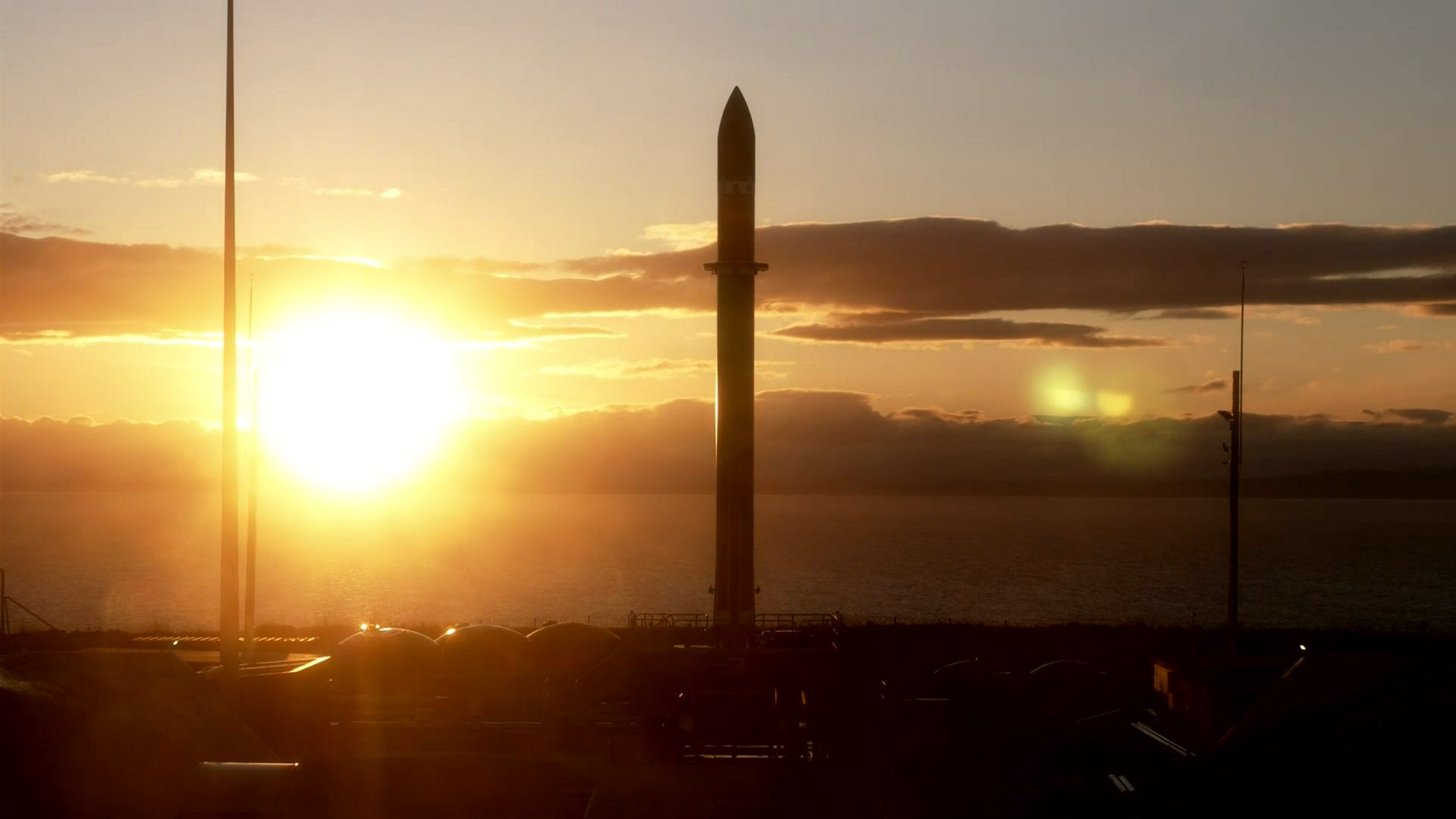
Rocket Lab’s Electron rocket prepared for launch at Māhia Peninsula for the ‘Symphony in the Stars’ mission
Rocket Lab’s Electron rocket is set to launch the ‘Symphony in the Stars’ mission today from its New Zealand facility, deploying multiple satellites to orbit ( photo credit RocketLab ).

Rocket Lab Ready to Launch ‘Symphony in the Stars’ Mission from New Zealand’s Māhia Peninsula

Rocket Lab is making final preparations to launch its next Electron mission, ‘Symphony in the Stars’, from Launch Complex 1 on New Zealand’s Māhia Peninsula. The mission, scheduled to lift off within hours, will carry multiple payloads into low Earth orbit (LEO), continuing Rocket Lab’s focus on small satellite deployment for commercial, academic, and government partners.

This mission marks another important step in Rocket Lab’s effort to offer dedicated, responsive launch services for the fast-growing small satellite sector, which supports a wide range of services including Earth observation, scientific research, climate monitoring, and communications.

Mission Objectives and Payload Details

The ‘Symphony in the Stars’ mission will deploy multiple small satellites (specific details about the payloads may be released closer to or after launch). These satellites are expected to support:

  • Earth observation and remote sensing
  • Scientific instrumentation
  • Technology demonstration experiments


Rocket Lab is known for working with a variety of clients, including NASA, DARPA, private space tech companies, and academic institutions. While some missions are publicly detailed, others remain partially undisclosed until after payload delivery is complete.

As with previous flights, Rocket Lab is using the Electron rocket, its lightweight, two-stage launch vehicle designed for payloads up to 300 kilograms to low Earth orbit. The Electron’s precision, reliability, and ability to launch from a private site give it a unique position in the small satellite launch market.

Launch Site and Timing

The mission will launch from Rocket Lab’s Launch Complex 1, located on the Māhia Peninsula of New Zealand’s North Island. The remote location provides an ideal trajectory for orbital insertion over the Pacific Ocean and supports high-frequency launch scheduling.

Rocket Lab has confirmed that:

  • Pre-launch checkouts are complete
  • Weather conditions at the site are favorable
  • The Electron rocket is fully integrated with the payload

The launch team is assessing options for a new T-0 lift-off time for tonight’s launch attempt due to strong upper level winds over LC-1.

The launch window for ‘Symphony In The Stars’ extends until 9:24 p.m. NZT. Stand by for an update.

Live Broadcast and Public Viewing 

Rocket Lab offers live coverage of all its missions. Viewers can watch the ‘Symphony in the Stars’ mission via:

Rocket Lab’s official website

Rocket Lab’s YouTube channel

The live stream typically begins 20 to 30 minutes prior to launch, offering commentary, telemetry data, and visuals from the launch site and mission control.

Reusability Update: Electron Booster Recovery

Although this mission is focused on payload delivery, Rocket Lab continues to explore booster recovery for the Electron rocket. Some missions include parachute-assisted splashdown and helicopter catch attempts. However, ‘Symphony in the Stars’ is not currently confirmed as a recovery mission.

Rocket Lab’s Growing Launch Record

Since its debut flight in 2017, Rocket Lab has established itself as a leading launch provider for the small satellite industry. Electron missions have launched over 170 satellites to orbit and have maintained a strong success rate.

The company also continues to develop its Neutron rocket, a larger, partially reusable vehicle designed to support heavier payloads and potentially crewed missions in the future.

Conclusion

The ‘Symphony in the Stars’ mission represents another step forward in Rocket Lab’s commitment to frequent, precise, and customer-tailored space launches. With its reliable Electron rocket and private launch facility in New Zealand, Rocket Lab continues to play a vital role in democratizing access to orbit for small satellite developers around the world.

New source:-

https://x.com/RocketLab/status/1935838468024025526?t=NlWcjmfTWlRtzyrul9cEXw&s=19


FAQs: Symphony in the Stars

1. What is Rocket Lab’s ‘Symphony in the Stars’ mission?
It is a dedicated launch using the Electron rocket to deploy multiple small satellites into low Earth orbit for commercial and research purposes.

2. When and where is the launch taking place?
The launch is scheduled for today from Launch Complex 1 on the Māhia Peninsula, New Zealand. The exact time is within the current launch window.

3. What type of rocket is being used?
The mission uses Rocket Lab’s Electron rocket, a two-stage launch vehicle designed for small payloads.

4. Who are the customers or satellite operators?
Payload details are not yet fully disclosed. Rocket Lab frequently launches for commercial companies, research institutions, and government agencies.

5. Can the launch be watched live?
Yes, Rocket Lab is offering a live stream on its website and YouTube channel, starting about 20–30 minutes before liftoff.

China Launched Zhangheng-1 02 Satellite, But Why?

OMG! Permanent Building on the Moon? Lunar Infrastructure And ISRU :  How NASA and ISRO Plan to Turn Lunar Soil into a Space Colony

Axiom-4 Mission To ISS Rescheduled for June 19, 2025 After Technical Fixes-Revealed By ISRO Chief

Is China Going To Win Lunar Exploration Race? Mengzhou Spacecraft- Passes Crucial Escape Test for Future Moon Missions

China has successfully conducted a zero-altitude escape flight test for its new-generation Mengzhou spacecraft, advancing its manned lunar exploration goals.

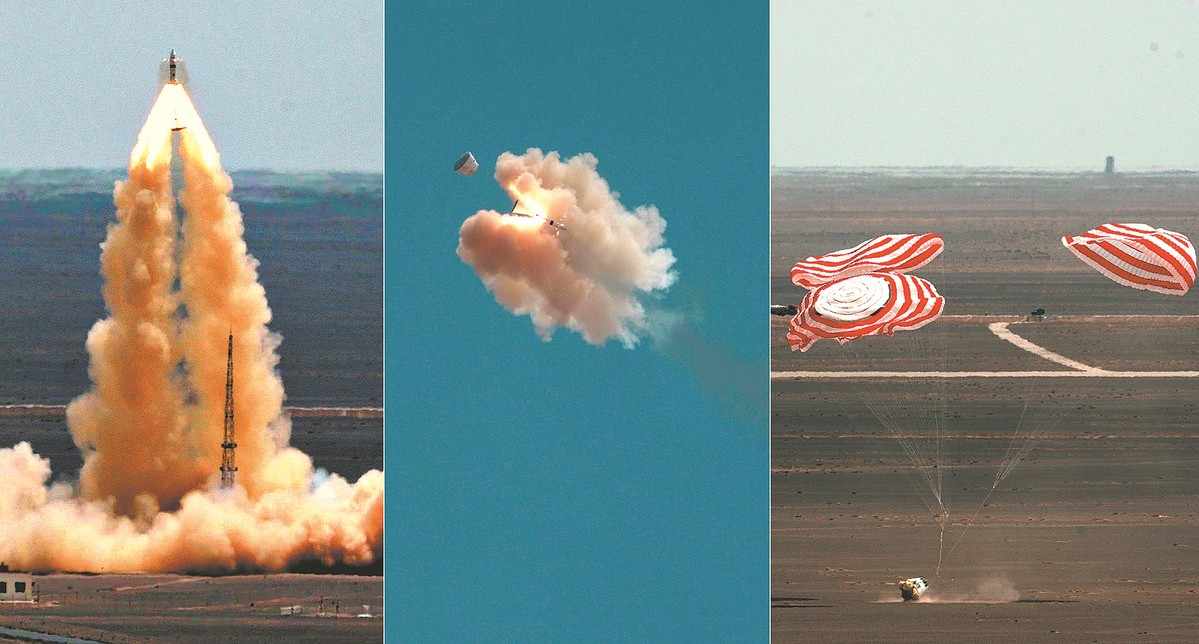
China’s Mengzhou spacecraft undergoes zero-altitude escape test for future crewed lunar missions
The Mengzhou spacecraft is seen during a successful zero-altitude escape flight test at the Jiuquan Satellite Launch Center, advancing China’s crewed Moon mission goals ( image credit Chinese Space Station).

China Successfully Tests Mengzhou Spacecraft Escape System at Zero Altitude

Beijing, 18 June 2025 — China has reached a major milestone in its ambitions to send astronauts to the Moon. On Tuesday, the China Manned Space Agency (CMSA) announced the successful completion of a zero-altitude escape flight test of its Mengzhou spacecraft, a critical component of the country’s next-generation crewed lunar exploration system.


Breaking] China successfully carried out a zero-altitude escape flight test of its new Mengzhou spacecraft on Tuesday at the Jiuquan Satellite Launch Center in Northwest China, marking the first such test in 27 years.

The test represents a major breakthrough in the country’s manned lunar exploration program.


The test was conducted at the Jiuquan Satellite Launch Center, one of China’s main spaceports in the Gobi Desert. It marks a significant advancement in validating the emergency escape system of the Mengzhou capsule, which is designed to carry astronauts safely away from the launch vehicle in the event of a critical failure on the launch pad or shortly after liftoff.

What Was Tested

The trial focused on simulating a launch failure at zero altitude — essentially, right on the launch pad. In this scenario, the escape system must activate instantly, detaching the crew capsule from the rocket and moving it to a safe distance within seconds.

According to CMSA, the escape tower performed as expected, guiding the crew module through a controlled separation, flight, and parachute-assisted landing. All parameters were within safety margins, confirming that the system is ready for real-world use.

About the China’s Mengzhou Spacecraft 

Mengzhou is China’s next-generation manned spacecraft, designed to support deep space exploration. It can carry up to seven astronauts, though typical missions may involve three to four crew members. Unlike earlier Shenzhou capsules, Mengzhou is equipped with:

  • A fully upgraded thermal protection system
  • Enhanced onboard computing and life support
  • Reusability for multiple missions
  • A modular service module for lunar and orbital tasks


The spacecraft is part of a broader effort to land Chinese astronauts on the Moon before 2030.

Part of China’s Lunar Exploration Plan

This successful escape test follows a series of developments in China’s fast-moving lunar ambitions. The Mengzhou spacecraft, along with the Lanyue lunar lander, forms the foundation of the country’s planned crewed lunar landing mission. If successful, China could become the second nation to land humans on the Moon, and the first to do so in the 21st century.

Future tests will include high-altitude escape trials, uncrewed lunar test flights, and finally a full demonstration mission involving both Mengzhou and the Lanyue lander in the next few years.

China’s Mengzhou Spacecraft Test Sucessful what is its Global Impact?

This event signals China’s intent to compete in the next era of space exploration, which is now focusing on long-term human presence on the Moon, resource utilization, and space-based science infrastructure.

As the U.S. and its partners move ahead with NASA’s Artemis program, China’s progress with Mengzhou highlights the emergence of multiple global pathways to the Moon — each pushing the boundaries of human spaceflight.

News Source:-

https://x.com/CNSpaceStation/status/1935150002902602197?t=Fb0BVf0pQv13Z_c67RjT4g&s=19

FAQs About China’s Mengzhou Spacecraft and Escape Test

Q1. What is the Mengzhou spacecraft?
Mengzhou is China’s new-generation crewed spacecraft, developed for future deep space missions, including crewed lunar landings. It is larger and more advanced than the earlier Shenzhou capsules and designed for high safety, longer missions, and partial reusability.

Q2. What was the purpose of the zero-altitude escape test?
The test was conducted to verify that the Mengzhou spacecraft’s emergency escape system can protect astronauts in case of a launch pad or liftoff failure. The system must rapidly pull the crew module away from the rocket to ensure their safety.

Q3. Where was the escape test conducted?
The zero-altitude escape flight test took place at the Jiuquan Satellite Launch Center, located in China’s Gobi Desert. It is one of China’s primary facilities for human spaceflight missions.

Q4. Was the test successful?
Yes. According to the China Manned Space Agency (CMSA), the test was a complete success. The spacecraft’s escape tower activated as intended, and the crew capsule separated, flew, and landed safely under parachutes.

Q5. How many astronauts can the Mengzhou spacecraft carry?
The Mengzhou spacecraft is designed to carry up to seven astronauts, though typical missions may carry fewer, depending on mission complexity and payload needs.

Q6. How is Mengzhou different from previous Chinese spacecraft?
Compared to the older Shenzhou series, Mengzhou features:

  • Higher crew capacity
  • Improved thermal protection and reentry systems
  • Advanced onboard electronics and life support
  • Compatibility with lunar missions
  • Partial reusability for future cost-effective operations


Q7. What role does Mengzhou play in China’s lunar exploration program?
Mengzhou is a key component of China’s planned manned lunar landing. It will transport astronauts to lunar orbit, where they will transfer to the Lanyue lander for descent to the Moon’s surface. The spacecraft will also bring them safely back to Earth.

Q8. What are the next steps after this escape test?
The next stages include high-altitude escape tests, followed by uncrewed test missions to lunar orbit and, ultimately, a full crewed lunar mission before 2030.

You May Also Like This:-

OMG! Permanent Building on the Moon? Lunar Infrastructure And ISRU :  How NASA and ISRO Plan to Turn Lunar Soil into a Space Colony

China Launched Zhangheng-1 02 Satellite, But Why?

OMG! Permanent Building on the Moon? Lunar Infrastructure And ISRU :  How NASA and ISRO Plan to Turn Lunar Soil into a Space Colony

Explore how NASA’s Artemis and ISRO’s Chandrayan missions are laying the foundation for Lunar Infrastructure And ISRU, resource utilization, from 3D-printed habitats to water extraction technologies.

Lunar Infrastructure and ISRU (lunar base) prototype under construction using 3D-printed regolith and robotic arms, with Earth in the background.
Concept design of a lunar habitat built using in-situ materials and autonomous 3D printing technology on the Moon’s surface (image credit NASA).

Lunar Infrastructure And ISRU (In-Situ Resource Utilization) : The Moon as Humanity’s Next Frontier

As space agencies shift their focus beyond low-Earth orbit, the Moon is once again taking center stage. This time, however, the goal isn’t just to land and return. The objective is long-term presence — building a sustainable infrastructure on the lunar surface using the Moon’s own materials.

Key players like NASA and ISRO are spearheading initiatives to establish permanent lunar bases through technologies such as In-Situ Resource Utilization (ISRU), 3D printing, and water mining. These efforts are seen as the foundation for future missions to Mars and beyond.

Why the Moon? A Strategic Stepping Stone to Mars

The Moon offers a low-gravity environment, proximity to Earth, and abundant resources — especially at the south pole — that make it an ideal testbed for technologies needed on Mars. A sustained lunar presence will allow scientists to:
Test life-support systems
Extract and use local materials (regolith and water ice)
Prepare infrastructure for long-term human missions deeper into space

NASA’s Artemis Program: Laying the Groundwork

NASA’s Artemis program aims to return humans to the Moon and establish a permanent base at the lunar south pole by the end of the decade. The mission roadmap includes:

Artemis III: Scheduled for 2026, aims to land astronauts near water-rich regions of the Moon.

Lunar Gateway: A modular space station in orbit around the Moon to support surface missions.

Habitat Modules & Power Systems: NASA is collaborating with private partners like SpaceX, Blue Origin, and Lockheed Martin to build surface habitats, solar arrays, and power storage units.

ISRU in Artemis

NASA’s Artemis program emphasizes ISRU technologies that will:

  • Extract water ice from permanently shadowed regions
  • Separate hydrogen and oxygen for rocket fuel
  • Use lunar regolith to produce construction materials like bricks or cement

ISRO’s Chandrayaan-4: India’s Contribution to Lunar Construction

Following the success of Chandrayaan-3 in 2023, which achieved a soft landing near the Moon’s south pole, ISRO’s Chandrayaan-4 is expected to take the next step by focusing on resource mapping and infrastructure testing.


Mission Objectives:

Sample Return & Mineral Analysis: Chandrayaan-4 will aim to bring back lunar soil and rock samples for detailed ISRU potential analysis

  • Robotic Construction Demonstration: ISRO is working with Indian tech startups to test robotic excavation and possibly demonstrate autonomous construction using regolith.
  • Water Prospecting: Mapping of subsurface ice deposits using advanced radar systems.
  • India’s advancements in cost-effective space engineering could play a major role in democratizing lunar development globally.

Key Technologies Enabling Lunar Infrastructure

1. Lunar Regolith-Based Construction

Regolith (lunar soil) is being tested as a material for 3D printing shelters.
NASA and ESA have created prototypes using simulants.
Reduces dependence on Earth-based materials.

2. 3D Printing & Robotic Assembly

  • Autonomous 3D printers can build habitats layer by layer using local soil.
  • Robotics will be essential in assembling solar panels, instruments, and habitat modules in extreme lunar conditions.


3. Water Extraction & Purification

  • Water ice is abundant in shaded lunar craters.
  • Melting and purifying it can provide astronauts with drinking water and fuel (via electrolysis into hydrogen and oxygen).


4. Lunar Power Systems

Solar arrays and energy storage systems are being developed to provide continuous power during the Moon’s two-week-long night.

NASA is also testing small-scale nuclear power systems.

International Collaboration and Commercial Partnerships

Lunar infrastructure is no longer the domain of government agencies alone. Several international and commercial efforts are converging:

ESA (European Space Agency) is working on regolith-based construction.

JAXA (Japan) is testing lunar mobility and rover designs.

Private companies like Astrobotic, Intuitive Machines, and Blue Origin are building landers and logistics solutions.

These collaborative projects aim to create a shared, interoperable lunar economy.

Challenges to Overcome Lunar Infrastructure and ISRU

While progress is steady, several hurdles remain:

  • Extreme temperatures: Range from +120°C to -130°C
  • Lunar dust: Sharp, abrasive particles can damage machinery
  • Radiation exposure: Requires protective shielding for habitats and electronics
  • Reliable communication: Especially on the far side or deep in craters
  • Solving these challenges is essential for the success of lunar colonization.

Conclusion: The Moon Is Just the Beginning

With Artemis and Chandrayaan-4 preparing to lay the foundations for infrastructure and ISRU, the Moon is poised to become a critical launchpad for humanity’s future in space. By learning to live off the land in the most hostile environment we’ve ever attempted to colonize, agencies are building the blueprint for future Mars missions and deep space exploration.

The next decade will not just witness more landings—it will see the birth of lunar industry, powered by science, collaboration, and technological ambition.

Source

https://www.nasa.gov/overview-in-situ-resource-utilization/

https://en.m.wikipedia.org/wiki/Artemis_program


FAQs-Lunar Infrastructure and ISRU

1. What is lunar infrastructure?

Lunar infrastructure refers to the physical systems and technologies built on the Moon to support human or robotic missions. This includes habitats, power systems, communication networks, landing pads, and life support equipment. The goal is to enable long-term stays and scientific research on the lunar surface.

2. What does ISRU mean in space exploration?

ISRU stands for In-Situ Resource Utilization, a concept in which local materials—such as lunar soil (regolith) or ice—are used to support mission needs. On the Moon, ISRU technologies aim to extract water, oxygen, and building materials, reducing the need to transport everything from Earth.

3. Why is the lunar south pole a target for Lunar Infrastructure and ISRU development?

The Moon’s south pole contains permanently shadowed regions where water ice is believed to be trapped in large quantities. This water can be used for drinking, making oxygen, and even converted into rocket fuel. It also receives more consistent sunlight, ideal for solar power generation.

4. How will astronauts live on the Moon for long periods?

Future lunar missions will use specially designed habitats built either from imported modules or using 3D printing technology with lunar regolith. These shelters will offer radiation protection, thermal control, and life-support systems to sustain astronauts for weeks or months at a time.

5. What technologies are used to build structures on the Moon?
Technologies include:

  • 3D printing using lunar regolith
  • Inflatable or prefabricated habitat modules
  • Robotics for remote assembly

Thermal and radiation shielding systems
These solutions reduce the need to launch heavy equipment from Earth and make use of locally available resources.

6. What role do NASA and ISRO play in Lunar Infrastructure and ISRU development?

NASA’s Artemis program is leading efforts to build a permanent base near the lunar south pole, with missions scheduled throughout this decade. ISRO, through Chandrayaan-4 and future missions, is contributing resource mapping, robotic systems, and cost-effective technologies that will support lunar operations.

7. Can we generate power on the Moon?

Yes. Solar power is the primary method being explored, especially at the south pole where sunlight is more continuous. NASA is also testing compact nuclear fission systems that can provide steady energy during the two-week lunar night.

8. How will water be extracted on the Moon?

Water extraction involves heating ice found in lunar soil or permanently shadowed craters, then collecting the vapor. That water can be purified for drinking or split into hydrogen and oxygen through electrolysis for fuel and breathable air.

9. Is Lunar Infrastructure and ISRU only for government space agencies?

No. Private companies such as SpaceX, Blue Origin, and Astrobotic are actively developing technologies for landers, cargo delivery, and construction on the Moon. These efforts are often in partnership with agencies like NASA and ESA, forming a public-private lunar economy.

10. How does Lunar Infrastructure and ISRU help Mars missions?

The Moon acts as a testbed for technologies needed on Mars, such as surface habitats, radiation protection, and ISRU systems. Lessons learned from building infrastructure on the Moon will help design sustainable systems for long-duration missions to Mars and beyond.

You May Also Like This

https://spacetime24.com/china-launched-zhangheng-1-02-satellite-but-why/

https://spacetime24.com/space-debris-crisis-orbit-junk-cleaning-technology/

China Launched Zhangheng-1 02 Satellite, But Why?

China has launched the Zhangheng-1 02 satellite to study electromagnetic fields and support research in earthquake prediction, tsunamis, and space weather. The satellite was launched from Jiuquan Satellite Launch Center.

Today 14 June, 2025 on Saturday china aerospace science and technology launched Zhangheng-1 02 satellite for natural disaster forecasting.
Zhangheng-1 02 satellite lifting off from Jiuquan Satellite Launch Center for Earth and space weather research (image credit CASC).


China Launched Zhangheng-1 02 satellite For Natural Disaster Forecasting

In a major step toward improving Earth observation and natural disaster forecasting, China successfully launched the Zhangheng-1 02 satellite on Saturday from the Jiuquan Satellite Launch Center in northwest China. Officially known as the China Seismo-Electromagnetic Satellite, this spacecraft is designed to monitor and study global electromagnetic fields, electromagnetic waves, and various parameters within the ionosphere and neutral atmosphere.

The satellite is named after Zhang Heng, an ancient Chinese scientist and inventor of the world’s first seismograph. This legacy lives on through the satellite’s mission to explore how electromagnetic signals in Earth’s atmosphere can be used to detect early signs of earthquakes, volcanic eruptions, tsunamis, extreme weather conditions, and space weather phenomena.

Zhangheng-1 02 satellite: A Collaborative Scientific Mission

The Zhangheng-1 02 satellite carries a suite of nine scientific payloads, making it a comprehensive platform for monitoring geophysical and atmospheric conditions.

Among these instruments are:

  • An electric field detector, developed through a joint collaboration between China and Italy.

A high-energy particle detector, designed by Italian scientists, which will measure radiation and particle activity in space.

These advanced instruments will allow scientists to gather precise data from both the ionosphere and magnetosphere, which are known to be influenced by tectonic activity and solar storms.

Dual-Satellite System for Enhanced Coverage

This launch follows the earlier success of Zhangheng-1 01, which was launched in 2018. With the addition of Zhangheng-1 02, China now has a two-satellite system working in tandem to cover a broader scope of Earth’s electromagnetic environment. The two satellites will coordinate their observations to offer higher temporal and spatial resolution, providing a more reliable basis for geophysical research and real-time monitoring.

By synchronizing data collected from different points in Earth’s orbit, scientists can compare fluctuations in electromagnetic signals more accurately and identify potential patterns or anomalies that may precede natural disasters.

Broader Applications and Global Impact

While the satellite’s primary goal is to aid in earthquake forecasting, its mission goes beyond geophysics. The Zhangheng-1 02 satellite is also expected to contribute valuable insights into:

  • Tsunami prediction
  • Volcanic activity
  • Climate-related extreme weather

Space weather disturbances, including solar flares and magnetic storms

As solar activity increases toward the peak of the current solar cycle, understanding space weather has become especially important for satellite operators, aviation safety, and national infrastructure systems like power grids and navigation networks.

China’s Expanding Role in Space-Based Disaster Research

This launch highlights China’s growing investment in space-based technologies aimed at disaster preparedness and environmental monitoring. The country has developed several satellite constellations in recent years that focus on land observation, marine surveillance, and meteorological research.

With Zhangheng-1 02 now in orbit, China continues to strengthen its position as a leader in using space science for humanitarian and environmental benefit.

News Source:-

https://x.com/CNSpaceflight/status/1933824364203675976?t=OaClH_9LxQDynx5XP8LMvw&s=19

https://english.spacechina.com/

More Details About the Zhangheng-1 02 Satellite and Its Mission

Q1. What is the Zhangheng-1 02 satellite?
Zhangheng-1 02 is a Chinese Earth observation satellite launched to monitor global electromagnetic fields, electromagnetic waves, and related atmospheric parameters. It is officially known as the China Seismo-Electromagnetic Satellite and is designed to support research into earthquake prediction, space weather, and natural disaster forecasting.

Q2. When and where was the satellite launched?
The Zhangheng-1 02 satellite was launched on Saturday, June 2025, from the Jiuquan Satellite Launch Center in northwest China.

Q3. Why is it called Zhangheng-1?
The satellite is named after Zhang Heng, an ancient Chinese polymath and the inventor of the first known seismograph. The name reflects the satellite’s purpose in monitoring seismic activity and Earth’s electromagnetic behavior.

Q4. What does the satellite aim to study?
Zhangheng-1 02 is tasked with monitoring:

  • Global electromagnetic fields
  • Electromagnetic waves in the ionosphereParameters of the neutral atmosphere
    Its data will help in the scientific study of:
  • Earthquakes
  • Tsunamis
  • Volcanic eruptions
  • Extreme weather

Solar activity and space weather

Q5. What are the satellite’s key instruments?
The satellite carries nine scientific payloads, including:

An electric field detector, developed jointly by China and Italy

A high-energy particle detector, designed by Italy
These instruments will help monitor both geophysical and solar-related changes in Earth’s near-space environment.

Q6. How does it work with the earlier Zhangheng-1 01 satellite?
Zhangheng-1 02 will work in coordination with Zhangheng-1 01, launched in 2018. Together, they form a dual-satellite system to enhance observation coverage and provide better time-synchronized data, increasing the accuracy of predictions related to seismic and space activity.

Q7. How will this satellite help in predicting natural disasters?
By analyzing changes in electromagnetic signals in Earth’s upper atmosphere, scientists can study early signs or precursors of major natural events like earthquakes or volcanic eruptions. Although it does not guarantee exact predictions, the satellite will provide more scientific data to improve forecasting models.

Q8. Will the satellite benefit other areas besides earthquake studies?
Yes. In addition to seismic monitoring, Zhangheng-1 02 will support:

  • Space weather prediction (solar storms, magnetic disturbances)
  • Tsunami and volcanic eruption research
  • Climate monitoring and extreme weather detection

Enhancing satellite safety and navigation systems through real-time space data

Q9. Is this satellite part of a global collaboration?
Yes. The mission includes international cooperation, particularly with Italy, which contributed to the development of some of the onboard scientific instruments. It reflects China’s growing efforts to work globally in space science and disaster preparedness.

You may also like this:-

https://spacetime24.com/spacex-26-new-starlink-launch/

Axiom-4 Mission To ISS Rescheduled for June 19, 2025 After Technical Fixes-Revealed By ISRO Chief


Indian astronaut Shubhanshu Shukla and crew-4 during pre-launch training for Axiom-4 mission to the International Space Station
Axiom-4 Mission Rescheduled updates- all Axiom-4 mission crew-4 including Shubhanshu Shukla posing for media photographs in suit ( photo credit Axiom Space)

The Axiom-4 mission, carrying Indian astronaut Shubhanshu Shukla, is now rescheduled for June 19, 2025, following successful resolution of technical issues. Learn more about the mission details and its significance.

Axiom-4 Mission to ISS Rescheduled for June 19 After Resolution of Launch Delays

In a major update for the global space community, the Axiom-4 mission—set to carry Indian astronaut Shubhanshu Shukla to the International Space Station (ISS)—has officially been rescheduled for June 19, 2025. This announcement comes after a delay triggered by technical complications that forced mission planners to pause the original launch timeline.

The mission, developed through a collaboration between Axiom Space, NASA, and SpaceX, marks a significant milestone for India as it includes one of the nation’s astronauts participating in a commercial crewed mission to the ISS. Shubhanshu Shukla, a test pilot with the Indian Air Force, is part of a four-member international crew assigned to spend several days aboard the orbital laboratory.

Reason for Delay

Originally slated for launch earlier this month, the mission had to be postponed due to two main issues: a liquid oxygen leak discovered in the Falcon 9 rocket, and a minor but concerning pressure leak detected aboard the space station itself. These issues raised safety flags that prompted NASA and SpaceX to delay the mission for further technical assessments and resolution.

Following an intensive troubleshooting and validation process by engineers from SpaceX and NASA, both problems were reportedly resolved. The Falcon 9 rocket has since passed all necessary safety checks, and the ISS systems are now deemed ready to receive the incoming crew.

New Launch Date and Readiness

According to official statements from both Axiom Space and SpaceX, the mission is now confirmed for launch on June 19, 2025. The launch will take place from Launch Complex 39A at NASA’s Kennedy Space Center in Florida.

Shubhanshu Shukla and his fellow crew members have resumed their final preparations, including pre-flight health checks, mission simulations, and technical briefings. They are expected to undergo the final phase of crew quarantine starting in the coming days to ensure health and safety standards are maintained prior to launch.

Significance for India

This mission holds particular importance for India as it represents one of the few times an Indian citizen will travel to space since Rakesh Sharma’s historic mission in 1984. While not part of India’s national space program, the involvement of an Indian astronaut in a NASA-backed, privately organized mission demonstrates India’s expanding footprint in the global space sector.

In addition, the mission underscores the growing trend of commercial spaceflight and the increasing participation of private companies in human space exploration.

What’s Next?

The Axiom-4 mission will involve a stay of approximately 10 to 14 days on the International Space Station, during which the crew will conduct scientific experiments, educational outreach, and research activities aligned with microgravity-based innovations.

If further updates emerge, especially concerning weather or technical constraints, Axiom Space and NASA have confirmed they will issue timely notifications.

For now, all eyes remain on June 19 as the launch date of this historic mission, which continues to capture attention not just in India, but across the global space community.


News Source:-

https://x.com/DrJitendraSingh/status/1933777868107940026?t=EEaEJ1QUjdcczRyNmBWvHw&s=19


People Also Want to Know more-


1. What is the Axiom-4 mission?

The Axiom-4 mission is a privately funded spaceflight organized by Axiom Space in collaboration with NASA and SpaceX. It will carry four astronauts, including Indian Air Force pilot Shubhanshu Shukla, to the International Space Station (ISS) for a short-duration mission focused on scientific research and commercial outreach.


2. When is the Axiom-4 mission scheduled to launch?

The Axiom-4 mission is now scheduled for launch on June 19, 2025. This new date comes after the resolution of earlier technical issues related to the launch vehicle and the ISS.


3. Why was the mission delayed earlier?

The mission was postponed due to two key technical problems:

  • A liquid oxygen leak in the SpaceX Falcon 9 rocket.
  • A pressure leak aboard the ISS, which required safety checks and system repairs.

Both issues have since been resolved by NASA and SpaceX teams.


4. Who is Shubhanshu Shukla?

Shubhanshu Shukla is an Indian Air Force test pilot and selected crew member of Axiom-4. He will be the first Indian astronaut in decades to travel to space, and the first to do so on a commercially operated international mission. His participation marks a major milestone for India’s presence in global space exploration.


5. How long will the Axiom-4 crew stay on the ISS?

The Axiom-4 mission is expected to last 10 to 14 days aboard the ISS. During this time, the astronauts will participate in research experiments, technology demonstrations, and educational activities.


6. Where will the mission launch from?

The mission will launch from Launch Complex 39A at NASA’s Kennedy Space Center in Florida, USA. This historic site has been the launchpad for many space missions, including those from the Apollo and Space Shuttle programs.


7. What kind of work will be done during the mission?

Axiom-4 crew members will conduct experiments in microgravity across multiple disciplines, such as life sciences, material science, and Earth observation. They will also participate in commercial and educational activities aimed at increasing global interest in space research and technology.


8. How is this mission significant for India?

This mission is especially important for India as it marks the country’s return to human space travel after several decades. Although Shubhanshu Shukla’s participation is not part of ISRO’s Gaganyaan program, it represents India’s growing contribution to international space missions and commercial spaceflight collaborations.


9. Who are the other members of the Axiom-4 crew?

Alongside Shubhanshu Shukla, the Axiom-4 mission includes three other astronauts from various countries. Their identities and roles may vary based on training assignments and final crew validation by Axiom Space and NASA. Full crew details are typically confirmed a few weeks before the launch.


10. Where can I follow live updates of the launch?

Live updates, launch coverage, and mission tracking will be provided through:

  • Axiom Space’s official website
  • NASA TV and NASA’s website
  • SpaceX’s official social media and YouTube channels

News outlets covering global space activity will also carry major announcements before and during the launch window.


You may also like this:-

https://spacetime24.com/astronaut-shukla-ax4-crew-gratitude-space-mission/